To understand La Lonja, we have to look much further back than ourselves.
Before us
Long before it became an estancia, this territory was already being written.
First by water, ice, wind, and geological transformations. Then by those who inhabited the valley. Later came explorers, pioneers, families, and mountaineers.
THE LAND
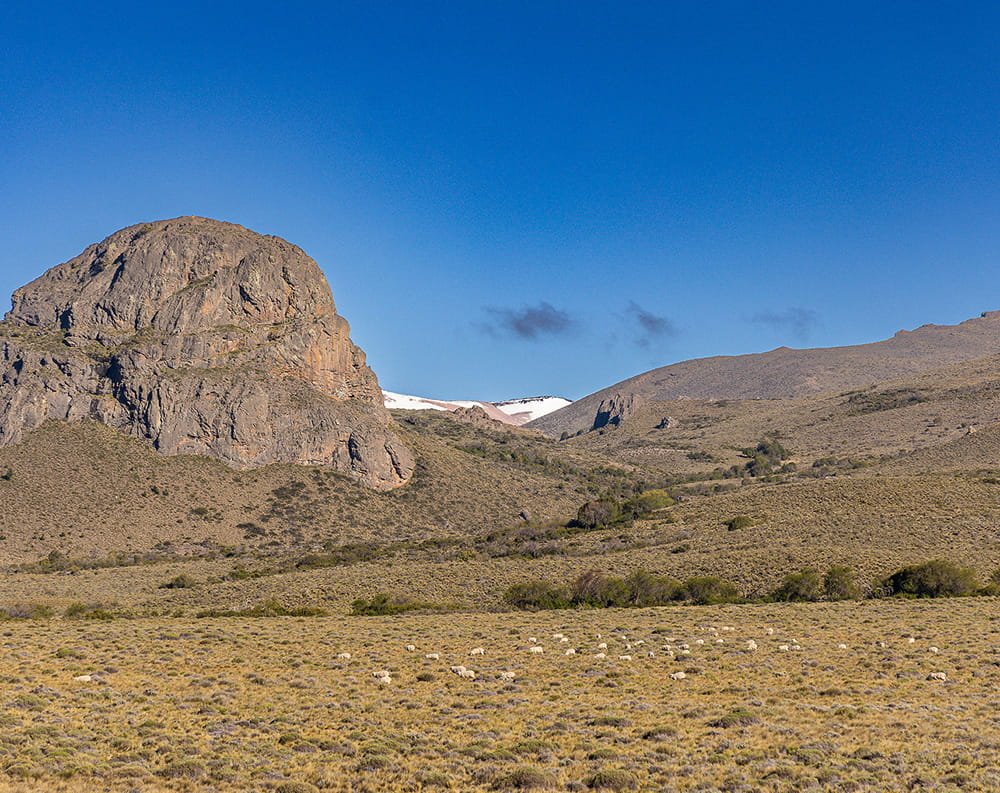
Before written history, there was already the landscape
The end of the great glaciations shaped the Limay Valley, its terraces, caves, walls, and geological formations. The landscape we explore today began long before any written history.
The first inhabitants
Human traces also remained in the land
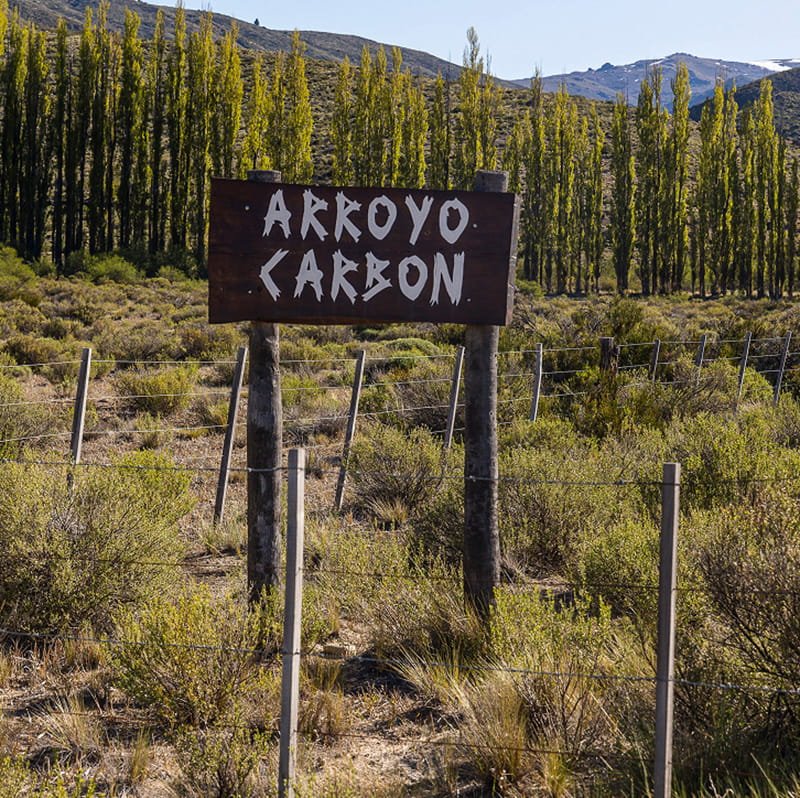
Archaeological sites, caves, and different records from the Arroyo Corral area and the Limay Valley reveal a human presence that long predates modern settlements.
The pioneers
When the roads began to open
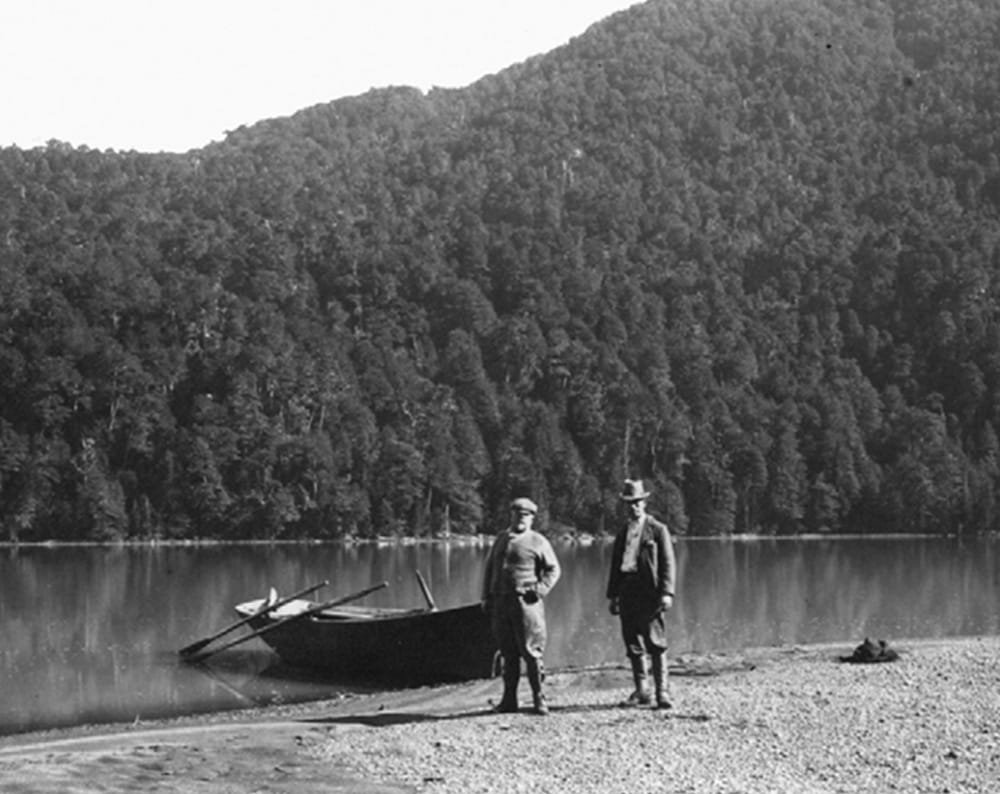
With the arrival of settlers, explorers, and pioneer families, roads began to open, ranches were established, and territories once separated by enormous distances started to connect.
Emilio Frey
A name that runs through the history of the region
The history of these lands intersects with Emilio Frey, a key figure in Bariloche's early chapters, the development of the region, and the history linked to today's Nahuel Huapi National Park.
Frey · Dolly · Jones
Personal histories began to intertwine with the history of the estancia
The family stories of the Freys and the Joneses form part of the later story of the land and of La Lonja.
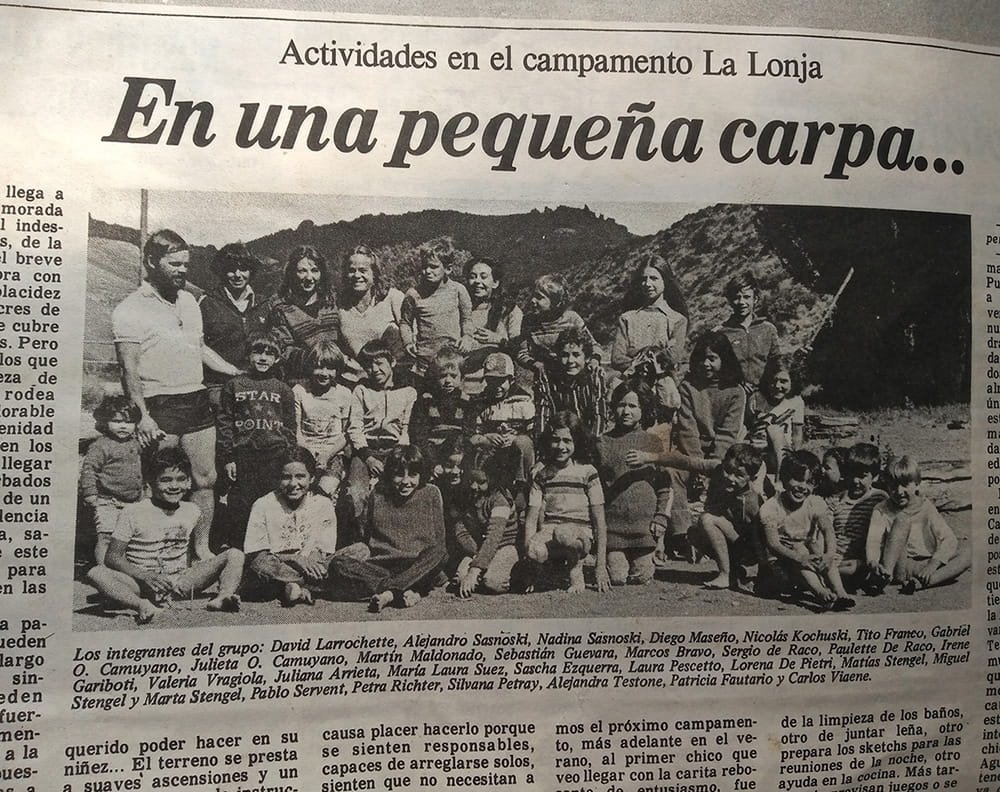
Club Andino Bariloche
Mountains, learning, and generations that made these lands a place to come together
La Lonja today
The land remains alive
Today, research, conservation, history, nature, and travelers' experiences meet again in the same place. Our task is simple: to open the gates and share it without erasing its traces.
A history you can walk
The best way to know this history is to walk it.
The land, its landscapes, and its stories are part of every experience at La Lonja.